
Tehran Faces Rising Int’l Pressure Amid Deadly Protest Crackdown
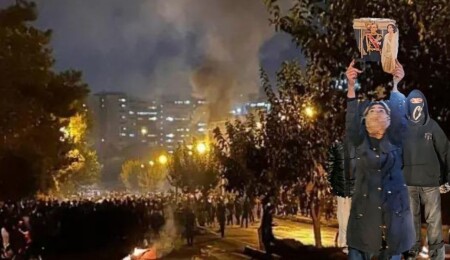
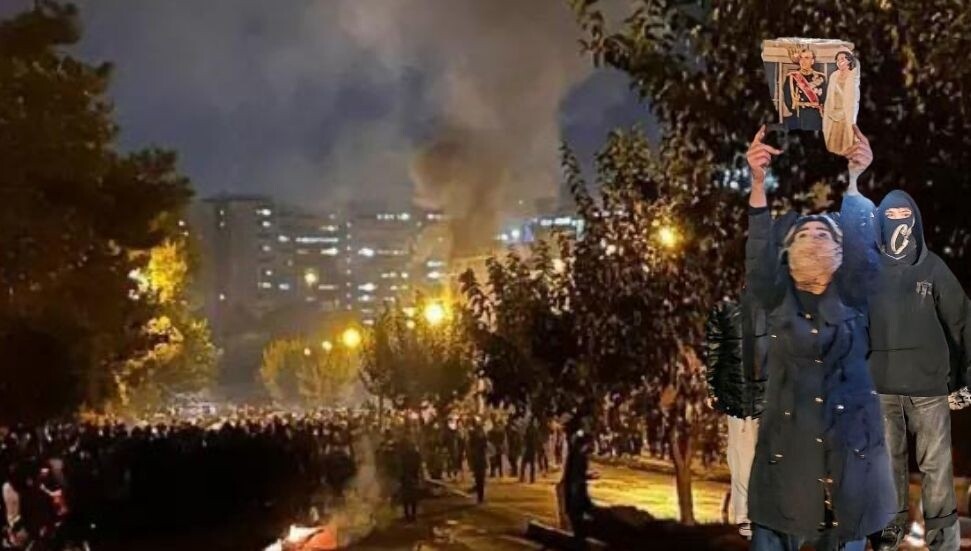
International pressure on Iran has sharply intensified amid a sweeping crackdown on anti-government protests, with death toll on Jan. 13 continuing to increase.
The Norway-based NGO Iran Human Rights (IHR) said it had confirmed 648 people killed during the protests, including nine minors, but warned the death toll was likely much higher, "according to some estimates more than 6,000.”
An estimated 10,000 people had been arrested, it added.
However, later in the day, about 2,000 people including security personnel have been killed in protests in Iran, an Iranian official told Reuters on Jan. 13.
Washington led the global pressure on Tehran, as U.S. President Donald Trump announced a 25 percent tariff on any country that continues doing business with Iran.
Trump, who has repeatedly threatened Tehran with military action, said that the new levies would take effect “immediately” and would apply to all trading partners of the Islamic Republic that also conduct business with the United States.
China, Türkiye, the United Arab Emirates and Iraq are Iran’s main trading partners, according to data from the economic database Trading Economics.
Trump has been mulling his options on Iran, which has been roiled by more than two weeks of demonstrations that have defied a near-total internet blackout and lethal force.
Sparked by economic grievances, the nationwide protests have grown into one of the biggest challenges yet to the theocratic system that has ruled Iran since the 1979 Islamic revolution ousted the shah.
Iranian authorities have blamed foreign interference for stoking the unrest and staged their own nationwide counter-rallies.
The White House also said that Trump remained "unafraid" to deploy military force against Iran, but was pursuing diplomacy as a first resort.
In a sharp comment, German Chancellor Friedrich Merz said that Iran's regime was living out its “last days.”
All the Iranian diplomats and representatives will be banned from the European Parliament's premises as a response to Iran's crackdown on protesters, its president announced.
"This House will not aid in legitimising this regime that has sustained itself through torture, repression, and murder," European Parliament President Roberta Metsola wrote on X.
The ban will apply to all the parliament’s premises in Brussels, Strasbourg and Luxembourg.
Spain and Finland decided to summons Iran’s ambassadors over Tehran’s nationwide shutdown of the internet and violent crackdown on protests.
"Iran's regime has shut down the internet to be able to kill and oppress in silence," Finnish Foreign Minister Elina Valtonen wrote on X.
On the other hand, Iranian authorities insisted they have regained control after successive nights of mass protests.
But rights groups accuse the government of using live fire against protesters and masking the scale of the crackdown with an internet blackout that has now lasted more than four days.
International phone calls however have resumed in Iran after being blocked for days, an AFP correspondent in Tehran said on Jan. 13, but only outgoing calls could be made.
Comments
Attention!
Sending all kinds of financial, legal, criminal, administrative responsibility content arising from illegal, threatening, disturbing, insulting and abusive, humiliating, humiliating, vulgar, obscene, immoral, damaging personal rights or similar content. It belongs to the Member / Members.