

Three Public Officials Sentenced To 10 Years In Grand Isias Hotel Case; Families To Appeal
In the trial over the collapse of the Grand Isias Hotel in Adıyaman during the 6 February 2023 earthquakes, which claimed the lives of 72 people, three public officials were sentenced to 10 years in prison each for “causing death and injury by conscious negligence” with a reduction for good conduct. Three other defendants were acquitted. The victims’ families have announced that they will appeal the ruling.
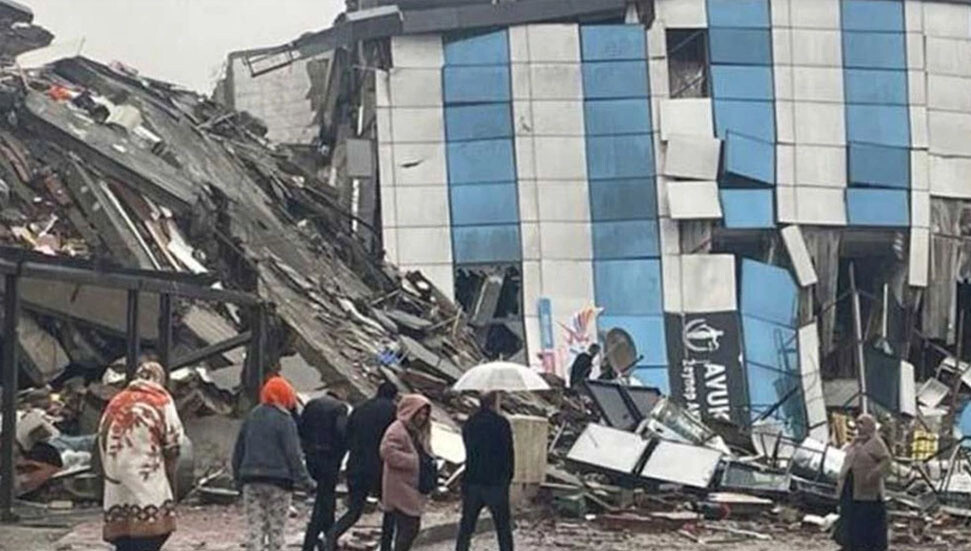
Three years have passed since the Kahramanmaraş-centred earthquakes of 6 February 2023. The collapse of the Grand Isias Hotel in Adıyaman killed 72 people, including students and tour guides from Northern Cyprus, and left 10 others injured.
The Adıyaman Chief Public Prosecutor’s Office filed charges against six officials who had approved construction and occupancy permits for the hotel at different stages: former Municipal Zoning Director Yusuf Gül, Zoning Director Mehmet Salih Alkayış, Licensing Bureau Chief Bilal Balcı, former Deputy Mayor Osman Bulut, Building Control Unit employee Abdurrahman Karaaslan, and Licensing Bureau technician Fazlı Karakuş.
Three Officials Receive 10-Year Prison Sentences
The court sentenced former Deputy Mayor Osman Bulut, former Zoning Director Mehmet Salih Alkayış and former Bureau Chief Bilal Balcı to 12 years in prison for “causing the death and injury of multiple persons through conscious negligence.” Taking into account their conduct after the incident and during the trial, as well as the possible impact of the sentence on their future, the court applied a good conduct reduction and lowered the sentences to 10 years each.
The court also imposed a judicial control measure in the form of a travel ban abroad for these three defendants. The remaining defendants — Yusuf Gül, Abdurrahman Karaaslan and Fazlı Karakuş — were acquitted.
Court’s Reasoning
According to information obtained by ANKA News Agency, the Adıyaman 1st High Criminal Court issued a 160-page reasoned verdict examining the concepts of “possible intent,” “negligence” and “conscious negligence.”
The ruling stated that it could not be conclusively established that the defendants had acted with “possible intent,” noting factors such as changes in Adıyaman’s seismic risk classification over time, the unprecedented magnitude of the earthquakes, and the long period between the issuance of building permits and the disaster. The court concluded that the defendants had acted within the scope of “conscious negligence,” believing the harmful outcome would not occur or relying on chance.
Families of the victims have announced that they will take the decision to the Regional Court of Appeal.
Comments
Attention!
Sending all kinds of financial, legal, criminal, administrative responsibility content arising from illegal, threatening, disturbing, insulting and abusive, humiliating, humiliating, vulgar, obscene, immoral, damaging personal rights or similar content. It belongs to the Member / Members.