

Around 40 People In S Cyprus Face Temporary Houselessness As EU Figures Top 1.27 Million
Around 40 people in South Cyprus are currently facing temporary housing issues despite the country’s economic growth and claim to the third-largest public debt reduction in the European Union.
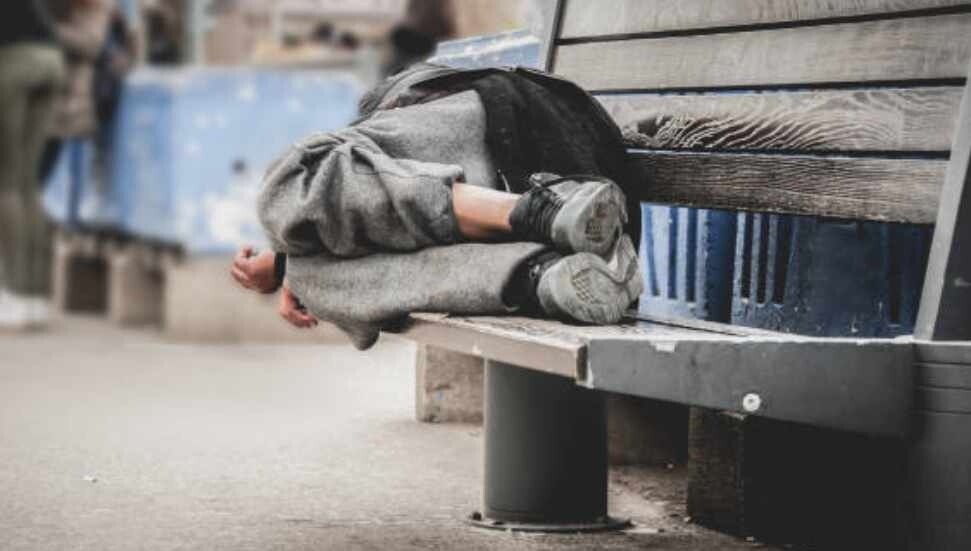
The figure comes just two months after a houseless woman was found dead in Kato Paphos, a case that shocked the nation when she died helpless in the cold outside an abandoned building on Poseidonos coastal avenue.
According to data from the Deputy Ministry of Social Welfare, the biggest problem is in the larger provinces, mainly Limassol and Nicosia.
The majority are solitary middle-aged people—Europeans, third-country nationals and Cypriots. A significant number are psychiatric cases and substance abusers, whilst a smaller number are families with children.
These people are temporarily housed in hotels or other accommodation with expenses covered by Social Welfare Services until they can be resettled in rented property in the community.
The houselessness phenomenon ranges between 200 and 250 people per year nationwide. In 2024, Social Welfare Services dealt with 225 people with housing problems, 380 in 2023 and 206 in 2022.
How the system works
Reports about people or families with children seeking shelter usually come from the individuals themselves, third parties, agencies, police and NGOs. After receiving information, Social Welfare Services handle the case and offer temporary shelter, financial aid and psychosocial support.
Officials contact the individuals or families immediately, providing immediate support and securing temporary accommodation in hotels or other facilities with expenses covered by Social Welfare Services.
They then investigate the socio-economic conditions and other factors that led to the situation and provide guidance on applying for benefits, including rent allowance under the Minimum Guaranteed Income law.
Emergency financial aid can be provided under Article 11 to cover immediate basic and special needs such as food, clothing and shoes, as well as referrals to other services like Mental Health Services for psychological assessment or treatment where appropriate.
In cooperation with NGOs and local authorities, they provide all possible support to find suitable accommodation according to each person’s needs.
Monitoring and counselling
Social Welfare Services arrange short-term stays and provide guidance for finding permanent residence, though broader housing policy falls under the Interior Ministry’s responsibility.
After resettlement in usually rented property, monitoring and counselling support continues if deemed necessary. Guidance is provided for applying for benefits the person may be entitled to, such as Minimum Guaranteed Income or disability allowances.
People facing housing problems or found on the streets needing support can contact Social Services offices in Lakatamia (22608400), Latsia (22803500), Nicosia City Centre and Strovolos (22804605), Polemidia (25821895), Zakaki (25804514), Germasogeia (25811660), Kamares (24800207), Agioi Anargyroi (24821080), Paphos (26821600) and Famagusta (23811720).
The European picture
The figures are far more alarming across Europe. A 2025 report by the European Federation of National Organisations Working with the Homeless (Feantsa) found that over 1.27 million people experience houselessness every night across Europe, with about 5% of the EU population facing houselessness during their lifetime.
Germany records the highest number with 531,600 houseless people, though this figure covers different types of houselessness, including people staying with friends and relatives. France reports a 20,000 increase to 350,000 amid housing shortages and rising rents.
In proportion to population, the Czech Republic has the highest number of houseless people, with over 230,000 people living in alternative accommodation or without housing.
According to the Feantsa report, houseless figures are also rising in several EU countries, mainly Finland, Denmark and Ireland.
Source: In-Cyprus
Comments
Attention!
Sending all kinds of financial, legal, criminal, administrative responsibility content arising from illegal, threatening, disturbing, insulting and abusive, humiliating, humiliating, vulgar, obscene, immoral, damaging personal rights or similar content. It belongs to the Member / Members.