

Iran Tightens Chokehold On Strait Of Hormuz Despite Pressure
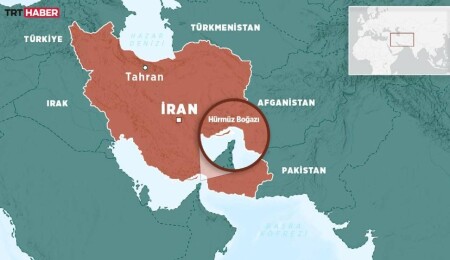
Tehran appears to be setting itself up as the gatekeeper for the Strait of Hormuz, with Iran's Revolutionary Guards on March 27 saying that the world's most important artery for oil shipments is closed for shipping to and from “enemy ports.”
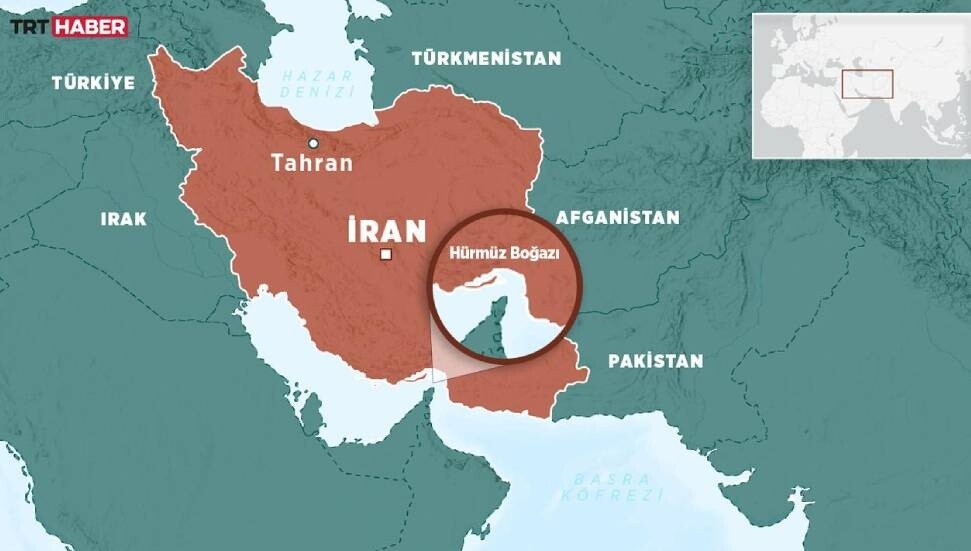
Around 1,900 commercial vessels have been stranded in the Strait of Hormuz, primarily in the Persian Gulf, since the start of the U.S. and Israeli attacks against Iran on Feb. 28.
Following the beginning of the attacks, Tehran effectively closed the vital waterway to vessels linked to the attacking countries, bringing the maritime traffic in the strait to a standstill.
Around 20,000 seafarers are stranded in and around the strait, according to the International Maritime Organization.
In a new development on the key route on March 27, Iran’s Islamic Revolutionary Guard Corps (IRGC) said the Strait of Hormuz was “closed” to vessels traveling to and from enemy ports.
It added that any transit attempt through the waterway will face “harsh measures.”
“This morning, […] three container ships of different nationalities... were turned back after a warning from the IRGC Navy,” it said.
The IRGC claimed that the ships attempted to cross “following the lies of the U.S. president claiming that the Strait of Hormuz was open.”
The remarks came after U.S. President Donald Trump extended his deadline for Iran to open the Strait of Hormuz to April 6.
He said he will hold off on bombing Iran’s energy plants in a statement on a social media post late on March 26.
However, Iran is not only refusing to align with the U.S. demand over control of the Strait of Hormuz, but is also taking steps to tighten its grip further.
Iranian communications to the United Nations maritime authority and the experience of ships transiting the strait suggest the creation of something akin to a “toll booth.”
Ships must enter Iranian waters and be vetted by Iran's Islamic Revolutionary Guards Corps. At least two vessels have paid for passage.
The move could cement Tehran's de facto chokehold over the crucial waterway and formalize its ability to keep its own oil flowing to China.
Shipping information firm Lloyd's List Intelligence also said that Iran’s IRGC has imposed a de facto “toll booth” regime in the Strait of Hormuz.
“While not all ships are paying a direct toll, at least two vessels have and the payment is settled in yuan,” Lloyd’s List said, referring to the Chinese currency. Some ships appear to have been allowed through following diplomatic pressure.
On March 24, the IMO also received a letter from the Iranian government saying it “had implemented a set of precautionary measures aimed at preserving maritime safety and security.” The letter claimed Iran was acting within the principles of international law.
Iran’s parliament appears to be working on a bill to formalize fees for some ships in the Strait of Hormuz, local media reported.
Comments
Attention!
Sending all kinds of financial, legal, criminal, administrative responsibility content arising from illegal, threatening, disturbing, insulting and abusive, humiliating, humiliating, vulgar, obscene, immoral, damaging personal rights or similar content. It belongs to the Member / Members.