

UAE Quits OPEC, Raising Risk of Post-War Oil Price War
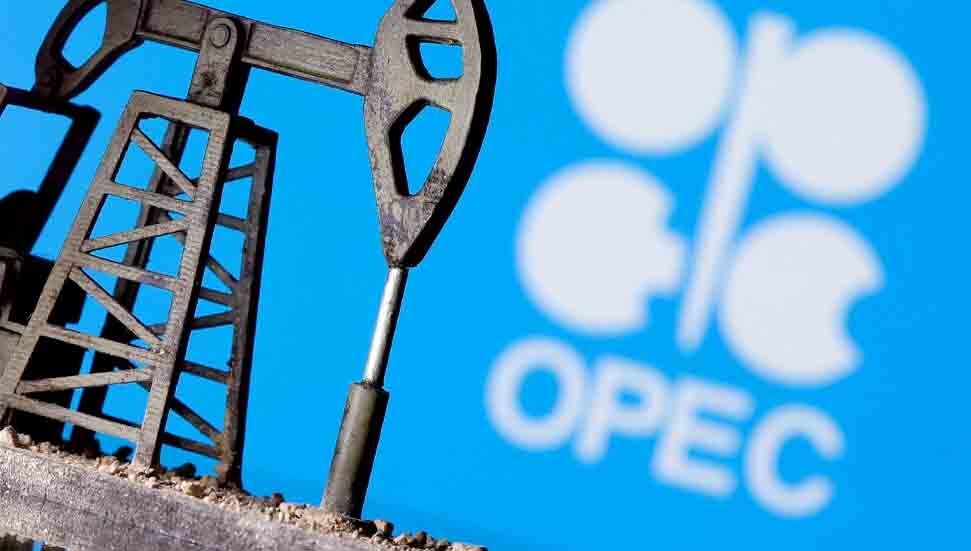
The United Arab Emirates’ decision to leave OPEC will sharply diminish the 65-year-old producer group’s influence over the oil market, opening the door to an all‑out price war once Gulf producers rush to regain market share when the Iran war is over.
The surprise move comes at a time of unprecedented turmoil in energy markets as Gulf oil and gas exports have remained largely paralysed for two months due to the closure of the Strait of Hormuz, which has muted OPEC’s traditional ability to manage the oil market during times of distress.
UAE Energy Minister Suhail Mohamed al‑Mazrouei told Reuters on Tuesday the decision to leave the Organization of the Petroleum Exporting Countries was driven by the need to meet rising global energy demand.
The surprise move comes at a time of unprecedented turmoil in energy markets as Gulf oil and gas exports have remained largely paralysed for two months due to the closure of the Strait of Hormuz, which has muted OPEC’s traditional ability to manage the oil market during times of distress.
UAE Energy Minister Suhail Mohamed al‑Mazrouei told Reuters on Tuesday the decision to leave the Organization of the Petroleum Exporting Countries was driven by the need to meet rising global energy demand.
The surprise move comes at a time of unprecedented turmoil in energy markets as Gulf oil and gas exports have remained largely paralysed for two months due to the closure of the Strait of Hormuz, which has muted OPEC’s traditional ability to manage the oil market during times of distress.
UAE Energy Minister Suhail Mohamed al‑Mazrouei told Reuters on Tuesday the decision to leave the Organization of the Petroleum Exporting Countries was driven by the need to meet rising global energy demand.
The surprise move comes at a time of unprecedented turmoil in energy markets as Gulf oil and gas exports have remained largely paralysed for two months due to the closure of the Strait of Hormuz, which has muted OPEC’s traditional ability to manage the oil market during times of distress.
UAE Energy Minister Suhail Mohamed al‑Mazrouei told Reuters on Tuesday the decision to leave the Organization of the Petroleum Exporting Countries was driven by the need to meet rising global energy demand.
On top of this, there is a finite window to monetise hydrocarbons. Oil consumption is widely expected to peak in the coming decades and start declining as economies shift towards renewables. Producers thus have more incentive to maximise output now rather than restrain it in defence of long‑term price stability.
As Saudi Arabia has struggled to rein in overproduction in recent years, the UAE has frequently exceeded its assigned quotas, leaving relations between Riyadh and Abu Dhabi increasingly fraught.
The Saudi-UAE tensions have spilled beyond oil, into conflicts in Yemen, Libya, and Sudan. More recently, the two Gulf powers have differed in their public responses to Iran’s strikes.
The UAE’s dramatic move thus not only marks a watershed moment for OPEC but also potentially a turning point for power relations in the Gulf itself.
A BLOW TO SAUDI
Riyadh’s de facto leadership of OPEC has long been a central pillar of its strategy to project international power and dominate the region. The departure of a key, long‑standing OPEC member severely weakens this already fraying alliance. It has come under strain repeatedly this year, first from the U.S. removal of Venezuela’s President Nicolas Maduro, then from the Iran war itself.
OPEC, which currently has 12 members including the UAE, has for decades attempted to regulate the oil market by jointly managing crude output. While the group controls roughly 80% of global oil reserves, its share of global production has fallen from about 50% in the 1970s to roughly 30% today.
Comments
Attention!
Sending all kinds of financial, legal, criminal, administrative responsibility content arising from illegal, threatening, disturbing, insulting and abusive, humiliating, humiliating, vulgar, obscene, immoral, damaging personal rights or similar content. It belongs to the Member / Members.