

Photographing in Courts and Publishing Names Banned
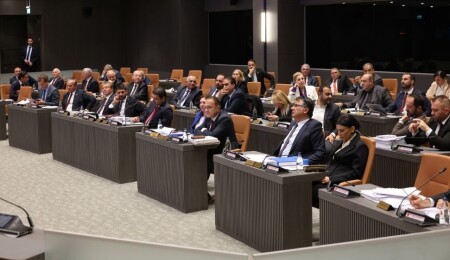
In the General Assembly, the amended Criminal Procedure Law was approved by majority vote, while the Military Courts regulation was unanimously adopted. Under the “Consolidated Criminal Procedure (Amendment) Bill,” photographing in courts and publishing full names—even for public figures—has been banned.
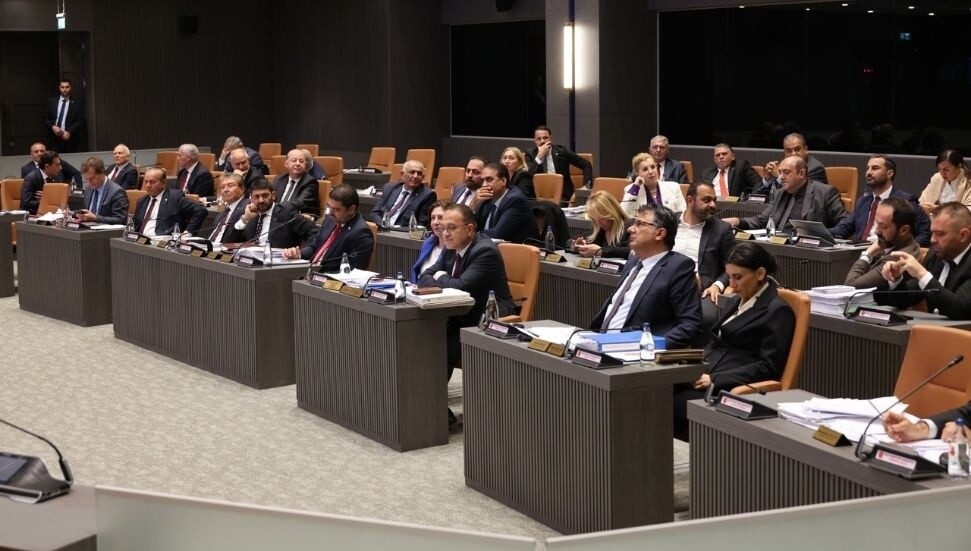
The Republican Assembly General Assembly approved the “Consolidated Criminal Procedure (Amendment) Bill” by majority vote, and the “Law on the Establishment and Trial Procedures of the Security Forces Court and the Security Forces Court of Appeal” unanimously.
During the debate, UBP MP Alişan Şan said the laws in question had not been amended for a long time and described the reform as “revolutionary,” thanking those who contributed. He said the aim of the changes was to reduce the workload of courts, highlighting issues such as the abolition of the preliminary inquiry process, the increase in the number of judges, extended bail periods, the presumption of innocence, postponements, detention conditions, and the appointment of lawyers, stressing the importance of the presumption of innocence, especially in small societies.
CTP MP Sami Özuslu also emphasized the importance of the presumption of innocence, stating that it means a person is considered not guilty until a court decision and appeal process are completed. He said this principle must be protected “like the apple of one’s eye.”
Özuslu noted that the Media Ethics Board also includes in its fourth principle that the press must respect the presumption of innocence, avoid publishing content that declares someone guilty before a final court ruling, and present allegations and defenses in a fair and balanced manner during ongoing trials.
However, he argued that this protection is most critical for individuals without financial, social, or political power, and said a different approach should be developed for public figures.
Özuslu warned that if no distinction is made for public figures and penalties of up to one year in prison are introduced, press freedom in the country would regress significantly.
“Banning the publication of names and photos of public figures—what is this?” he said. “This is outright censorship.” He added that a distinction should be made between ordinary citizens and those in public office, otherwise “everything will be mixed up.”
CTP Proposal on Public Figures Rejected
After Özuslu’s speech, debate on the bill continued article by article. The CTP group proposed an additional clause to Article 23(b). CTP MP Ürün Solyalı, who presented the proposal, said that for public figures and elected or appointed officials, publishing names and images should not be considered a crime when related to their official duties if they commit an offense. He argued this was essential for democratic oversight by the press.
The proposal was put to a vote and rejected by majority.
Following the completion of clause-by-clause discussion, the bill as a whole was approved by majority vote.
The General Assembly then discussed the Law on the Establishment and Trial Procedures of the Security Forces Court and the Security Forces Court of Appeal (Amendment) Bill.
Committee Chair Yasemin Öztürk read out the committee report. After article-by-article review, the bill was unanimously approved in its entirety.
Comments
Attention!
Sending all kinds of financial, legal, criminal, administrative responsibility content arising from illegal, threatening, disturbing, insulting and abusive, humiliating, humiliating, vulgar, obscene, immoral, damaging personal rights or similar content. It belongs to the Member / Members.