
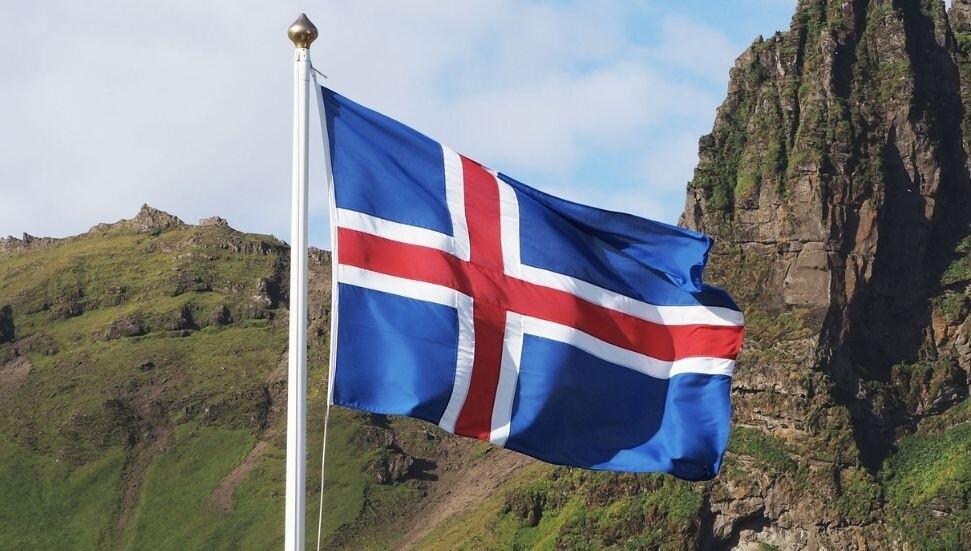
A positive vote in Iceland “would show the attractiveness of the EU in general and thus boost morale in the EU”, said a senior EU diplomat, adding that it “would make it easier for sceptical countries to swallow the accession of Montenegro” — also a country with a small population but with a much lower GDP per capita.
If Iceland joined the bloc, it would have “a positive impact on enlargement as a political tool”, a second EU diplomat said. “There is hesitation on the Western Balkans, Moldova and Ukraine, with Iceland I only see positive aspects … it has a modern economy, it’s dynamic and small,” they said.
Pairing Iceland and Montenegro
A tandem of the two countries – Iceland and Montenegro – could help overcome potential hurdles in EU members where some voters fear the possible impact of EU enlargement on their economies, officials say.
“Tying up Iceland with Montenegro, that would probably be more successful – (that) is the perception, at least at this point – than moving Montenegro alone,” said Steven Blockmans, deputy director of the Tallinn-based International Centre for Defence and Security.
A 2025 Eurobarometer poll found 56% of EU citizens are in favour of further EU enlargement, but support varies in different countries across the bloc.
Geopolitical shifts revive Iceland’s EU debate
Reykjavik abandoned previous negotiations in 2013 when a Eurosceptic government took power, but Russia’s war in Ukraine and Trump’s statements about Greenland have put a spotlight on Iceland’s geostrategic position.
“The erosion of international law and the rules-based international system is a concern for us. Security and defence-related issues also — nobody was talking about that back in 2009 or 2013,” a source familiar with Iceland’s position said.
EU officials have sought to stay out of Iceland’s internal debate. But if Icelanders vote in favour of restarting talks, officials expect the country to make quick progress.
“It speaks to the growing attractiveness of the EU in a world that is rapidly changing,” EU Enlargement Commissioner Marta Kos told Reuters when asked about the significance of Iceland’s referendum.
“We see that practically all European countries seek accession or closer association to the EU. And it would undoubtedly add to growing momentum for the EU to accept new members.”
Fisheries remain the biggest obstacle
If the “yes” vote wins, Kos said she would expect accession negotiations to take one to two years, with the timing of membership dependent on a second referendum in Iceland and ratification by the EU’s 27 members.
Officials say fisheries – one of the pillars of Iceland’s economy and national identity – is set to be the toughest point of negotiation if talks did restart.
“The EU has to ask itself, does it want to make fisheries the point that the potential accession of Iceland would break on – which has very limited value in the GDP of the EU, compared to the geopolitical importance of having a country like Iceland join?” said the source familiar with Iceland’s position.
Brussels has signalled openness to compromise, with Kos saying: “Iceland’s unique specificities on fisheries and agriculture are well known.”
“I’m confident that, together with EU member states, we would find creative solutions that respect the sensitivities of both Iceland and our member states,” she said.
Comments
Attention!
Sending all kinds of financial, legal, criminal, administrative responsibility content arising from illegal, threatening, disturbing, insulting and abusive, humiliating, humiliating, vulgar, obscene, immoral, damaging personal rights or similar content. It belongs to the Member / Members.