

Iran Says Hormuz Remains Closed Despite Corridor Talks
Iran said on Aug. 26 that the Strait of Hormuz would not fully reopen unless the United States ended the war, lifted its naval blockade and fulfilled commitments Tehran says Washington violated, even as Iran and Oman worked on a temporary shipping corridor.
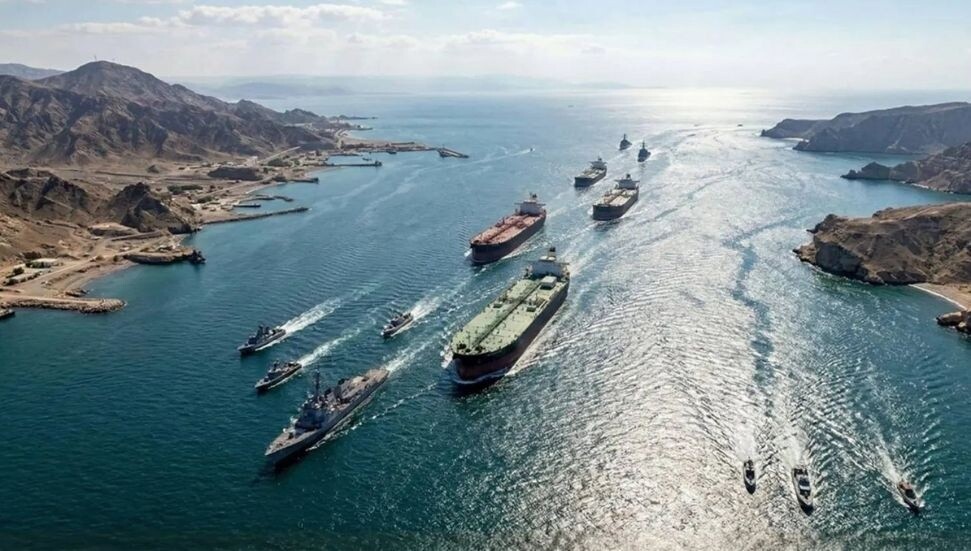
Iranian Deputy Foreign Minister Kazem Gharibabadi said the proposed arrangement with Oman would not amount to reopening the strait. Commercial vessels could use the temporary route under Iranian monitoring, but military vessels from any country would not be permitted to pass, he said.
“Before any action is taken to reopen the Strait of Hormuz, the United States must fully implement all of the commitments it has violated,” Gharibabadi said, according to state news agency IRNA.
He also called on Washington to end the war, lift its blockade of Iranian ports and address the conflict in Yemen.
Omani Foreign Minister Badr Albusaidi met his Iranian counterpart Abbas Araghchi in Tehran on Aug. 25. A joint statement said they had discussed a “phased framework” involving a temporary navigational corridor and a joint project to clear mines from the strait.
Technical negotiations will continue on a permanent corridor, the future administration of the waterway and arrangements for information-sharing, traffic management and navigational security, the statement said.
Albusaidi said he hoped the two countries would “soon announce” the temporary corridor and practical arrangements to restore safe navigation.
The talks build on a June memorandum between Iran and the United States. Both sides have since accused the other of failing to meet its commitments.
Traffic through Hormuz has remained largely paralyzed since the United States and Israel launched their war against Iran on Feb. 28. Before the conflict, around a fifth of global oil and liquefied natural gas exports passed through the strait.
U.S. President Donald Trump said on Aug. 25 that the U.S. Navy had removed or detonated all mines in the strait’s international waters. Gharibabadi rejected the assertion and warned that Iran would target U.S. minesweepers entering the area.
Washington has also launched a new sanctions campaign targeting Iran’s digital assets, technology, gold, aviation and shipping sectors. The Treasury Department sanctioned nearly 60 individuals, entities and vessels.
Treasury Secretary Scott Bessent said the campaign was intended to “sever every economic lifeline” sustaining Tehran until the country “stands alone.”
Comments
Attention!
Sending all kinds of financial, legal, criminal, administrative responsibility content arising from illegal, threatening, disturbing, insulting and abusive, humiliating, humiliating, vulgar, obscene, immoral, damaging personal rights or similar content. It belongs to the Member / Members.