

Holguin: A Comprehensive Agreement Is Still Possible
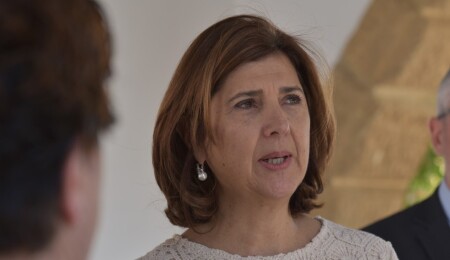
Maria Angela Holguin, the UN Secretary-General’s Personal Representative on Cyprus, said she believes a comprehensive agreement on the Cyprus problem is still possible, calling on the leaders to take concrete steps on confidence-building measures and make long-term decisions to overcome the island’s division.
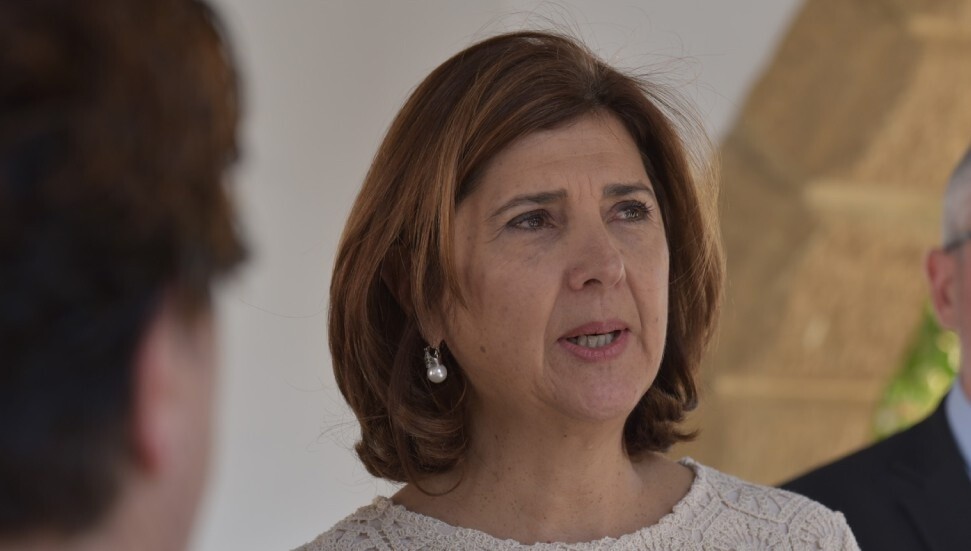
In a letter published on the Cyprus problem, Holguin stressed the need to create the right conditions for negotiations to resume.
Noting that the terms “methodology”, “substance” and “confidence-building measures” had frequently featured in discussions in recent months, Holguin said the main aim of the ongoing efforts was to lay the groundwork for negotiations on a comprehensive settlement.
She said negotiations had not yet begun, but the United Nations continued to support its presence on the island and contacts between the parties.
“THE LEADERS WILL DECIDE WHETHER NEGOTIATIONS RESUME”
Emphasising that the decision to resume negotiations rested with the leaders, Holguin said the UN would continue to maintain communication between the communities and build bridges between the leaders.
She said the work of the technical committees demonstrated what could be achieved through cooperation and remained among the UN’s priorities on the island.
“CONVERGENCES FROM PREVIOUS NEGOTIATIONS HAVE BEEN COMPILED”
Holguin said the UN had spent recent months compiling convergences reached during negotiations conducted approximately 10 years ago, describing this work as part of the discussions on substance.
Reminding the parties that they had documents relating to previous negotiations, Holguin said the documents reviewed by the UN would be presented if formal negotiations resumed.
She stressed that nothing that could create new disagreements or set the process back would be introduced.
“CONFIDENCE-BUILDING MEASURES DEMONSTRATE POLITICAL WILL”
Highlighting the importance of implementing confidence-building measures, Holguin criticised the failure to reach agreement over the past two years on issues including a new crossing point, demining and tackling plastic pollution.
She questioned how the parties could agree on a political, economic and social model to overcome decades of division if they could not reach agreement on these issues.
Pointing to the growing distance between the two communities, Holguin said trust needed to be built and political will demonstrated through concrete steps.
“METHODOLOGY AND SUBSTANCE SHOULD NOT BE CONFUSED”
Holguin said the leaders and negotiators had been invited to discuss the methodology of negotiations at their weekly meetings, noting that how negotiations were conducted was fundamental to their success.
“Agreeing on procedure does not mean that either party has to abandon its position on substantive issues or change its vision regarding them,” Holguin said.
She explained that methodology determined how the agenda would be handled, while substance determined which issues would be negotiated, stressing that the two should be kept separate.
“THE PRINCIPLE THAT NOTHING IS AGREED UNTIL EVERYTHING IS AGREED CAN BE DISCUSSED”
Holguin said agreement on a functional negotiating methodology would give the parties an opportunity to establish the basic rules of the process. She noted that this could include consideration of the principle that “nothing is agreed until everything is agreed”.
She added that the methodology could also address issues such as the early implementation of certain agreements, the confidentiality of negotiations and how progress would be communicated to the public.
Agreement on procedural rules, she said, would demonstrate that the parties were ready for dialogue and progress.
“A COMPREHENSIVE AGREEMENT IS STILL POSSIBLE”
Holguin said she had been visiting Cyprus for two years and had met with many people from both communities. She pledged to continue her efforts until the end of her facilitation mandate.
Reiterating her belief that a comprehensive agreement could be reached, Holguin said she would continue encouraging both leaders to make long-term decisions that could overcome the island’s decades-long conflict and division.
Comments
Attention!
Sending all kinds of financial, legal, criminal, administrative responsibility content arising from illegal, threatening, disturbing, insulting and abusive, humiliating, humiliating, vulgar, obscene, immoral, damaging personal rights or similar content. It belongs to the Member / Members.