

Supreme Court: Judicial Decisions Are Independent of Elections
Following Prime Minister Ünal Üstel’s remarks questioning why the conviction in the fake diploma case had not been postponed until after the elections, the Supreme Court stressed that judicial proceedings are independent of the political calendar and that election prohibitions do not prevent courts from carrying out their duties.
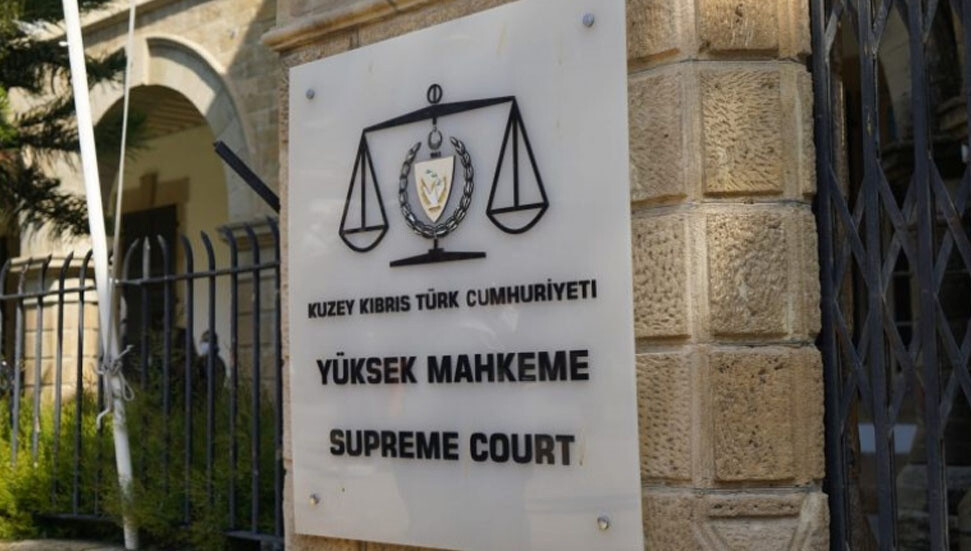
The Supreme Court stated that court decisions are based not on the election calendar but on the concrete facts in each case, the relevant legislation and judicial procedures.
In a written statement issued following Üstel’s comments on a television programme regarding the court ruling, the Supreme Court said the commencement of election prohibitions did not prevent courts from performing their duties and that judicial proceedings continued independently of the political calendar.
The statement noted that criminal proceedings begin with a police investigation and continue when the Office of the Attorney General files a case with the court. It said: “Courts conduct trials involving defendants when cases are filed by the police and the Office of the Attorney General and brought before them.”
Recalling that a defendant had been convicted in the first case filed by the Office of the Attorney General over allegations of obtaining a fake diploma, the statement said that a defendant had also been convicted in one of two subsequent cases brought before the court, while the other had reached the trial stage.
The statement added that similar cases recently filed by the Office of the Attorney General as part of the fake diploma investigations were also at the stage of being referred to the Assize Court.
The Supreme Court’s statement said: “It is a natural part of the judicial process for cases in which both the Office of the Attorney General and the defence are ready for trial to be heard and concluded.”
Comments
Attention!
Sending all kinds of financial, legal, criminal, administrative responsibility content arising from illegal, threatening, disturbing, insulting and abusive, humiliating, humiliating, vulgar, obscene, immoral, damaging personal rights or similar content. It belongs to the Member / Members.