

Iran Turns to Guerrilla Tactics in Hormuz: WSJ
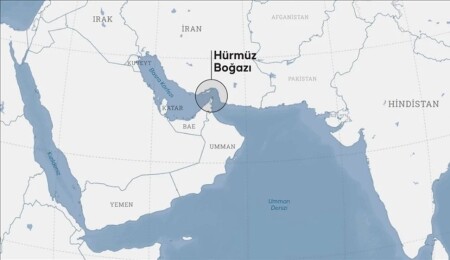
Iran is stepping up asymmetric attacks on commercial shipping in the Strait of Hormuz, using underwater drones, explosive devices and armed boats to disrupt oil exports and increase pressure on the United States amid stalled negotiations, according to regional officials, security firms and analysts.
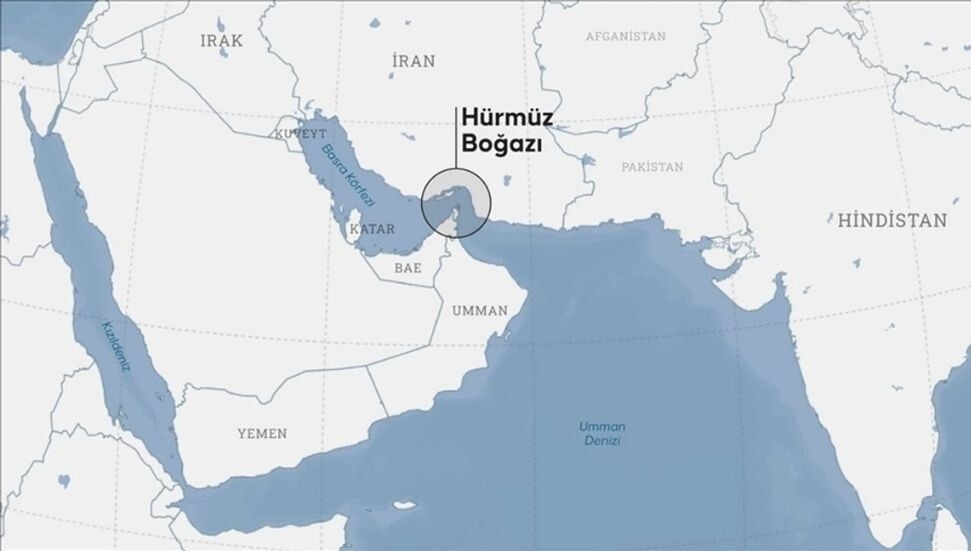
The campaign has become a shadow conflict within the broader U.S.-Iran war, threatening a vital energy corridor and contributing to higher global oil prices as American forces conduct near-daily operations to protect passing vessels and maintain a blockade on Iranian ports.
Tehran’s guerrilla tactics include deploying bomb-laden underwater drones, firing rocket-propelled grenades and attaching limpet mines to commercial vessels, according to the officials and analysts cited by The Wall Street Journal.
The attacks are aimed at disrupting individual oil shipments and restoring the climate of uncertainty that initially paralyzed maritime trade through the waterway when the conflict began.
The United States has responded with operations to help ships navigate the strait while striking Iranian targets accused of threatening American assets and commercial vessels.
On Nov. 2, U.S. forces attacked Iran’s Qeshm Island as part of a series of previously unannounced, limited strikes in the waterway, the Journal reported.
The U.S. military says it has cleared the strait of Iranian mines and maintains control over the waterway, which carried about 20% of global oil supplies before the war.
U.S. Central Command head Brad Cooper said last week that American forces continued to patrol the narrow passage. After flying over the strait, he said he had not seen any members of Iran’s Islamic Revolutionary Guard Corps (IRGC) operating there.
However, maritime security reports indicate that attacks have intensified. October recorded more than 35 incidents in the strait, the highest monthly total since the war began, according to the U.K. Maritime Trade Operations Center (UKMTO), which is affiliated with the Royal Navy. At least five vessels were attacked in the first days of November, it said.
The attacks have also affected energy markets. Brent crude traded at around $102 a barrel on Nov. 3, compared with just over $70 before the war, while the average price of gasoline in the United States reached approximately $4.15 per gallon.
Comments
Attention!
Sending all kinds of financial, legal, criminal, administrative responsibility content arising from illegal, threatening, disturbing, insulting and abusive, humiliating, humiliating, vulgar, obscene, immoral, damaging personal rights or similar content. It belongs to the Member / Members.