

Netanyahu Loses Ally’s Backing in Coalition Talks
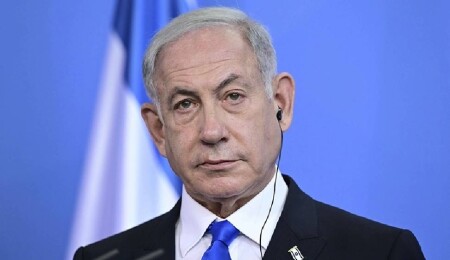
Israeli Prime Minister Benjamin Netanyahu lost the endorsement of a longtime ultra-Orthodox ally on Nov. 5, as rival Gadi Eisenkot received the most recommendations to form a government following an election that left neither main bloc with a majority.
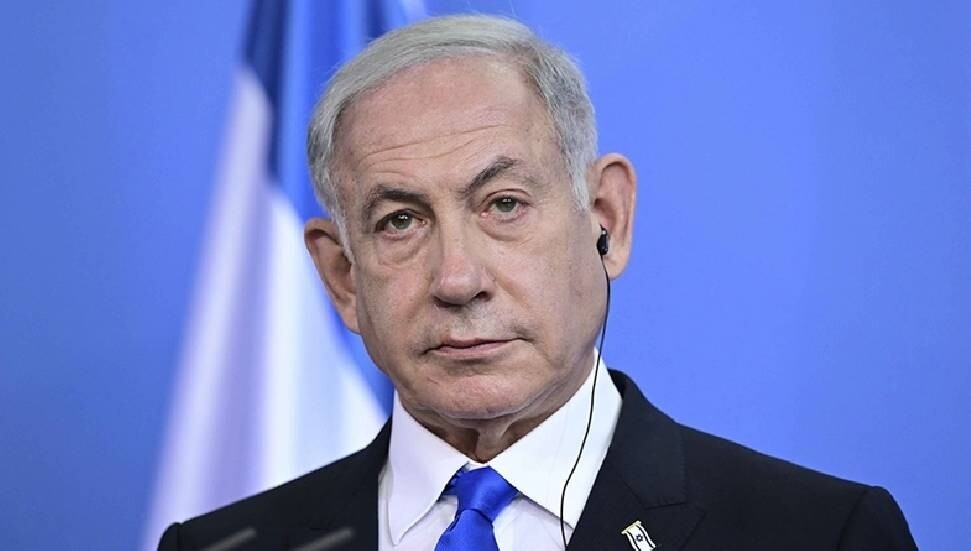
President Isaac Herzog said parties representing 67 members of the 120-seat Knesset had recommended Eisenkot, compared with 46 for Netanyahu.
He said he would hold further talks with party leaders before assigning the task on Nov. 8.
“The results of the consultations may appear clear,” Herzog said, pointing to “the mutual vetoes between the blocs and within the blocs themselves.”
Netanyahu’s outgoing coalition won 53 seats in the Oct. 27 election.
Eisenkot’s Jewish-led opposition bloc secured 48, while the Arab-led Joint List and Ra’am parties won 11 and eight, respectively.
Both Arab parties recommended Eisenkot, but disagreements among his backers have prevented agreement on a governing coalition.
United Torah Judaism (UTJ), which holds seven seats, declined to recommend any candidate.
The party made its support for a future government conditional on legislation guaranteeing military service exemptions for ultra-Orthodox religious students.
The demand remains an obstacle to cooperation with Eisenkot, a former military chief, and several of his allies, who have pushed to end those exemptions.
Channel 12 has reported that figures in UTJ were considering supporting an Eisenkot-led minority government without joining it, abstaining in parliamentary votes rather than voting against it.
A minority government could take office with fewer than 61 supporters if it received more votes in favor than against in the Knesset’s initial confidence vote. Abstentions by parties outside the coalition could therefore allow it to be approved.
Joint List lawmaker Ahmad Tibi told Herzog that the alliance was prepared to support a minority government from outside the coalition. But Avigdor Lieberman, leader of Eisenkot’s right-wing ally Yisrael Beytenu, has ruled out joining a government dependent on Arab parties.
Channel 12 reported on Nov. 5 that Lieberman had become open to cooperation with ultra-Orthodox parties.
An alliance between Eisenkot’s 48-seat bloc, UTJ and the ultra-Orthodox Shas party would reach 61 seats, although Shas recommended Netanyahu during the presidential consultations.
Netanyahu’s Likud party has called for a national unity government, while Eisenkot’s Yashar party has ruled out serving alongside him.
The lawmaker selected by Herzog will have 28 days to form a government, with a possible extension of up to 14 days.
If that attempt fails, the president can give another lawmaker a chance before the process moves to a final parliamentary effort to agree on a candidate.
Failure to form a government would lead to another election. Netanyahu’s administration remains in office until a successor government takes over.
Comments
Attention!
Sending all kinds of financial, legal, criminal, administrative responsibility content arising from illegal, threatening, disturbing, insulting and abusive, humiliating, humiliating, vulgar, obscene, immoral, damaging personal rights or similar content. It belongs to the Member / Members.